
Heart-Healthy Cooking Oil Choices for Everyday Indian Cooking
The oil in the pan is one of the few ingredients that reaches almost every meal in an Indian kitchen, from morning tempering to evening frying. A heart-healthy cooking oil is mainly one that is rich in unsaturated fats and low in saturated fat, because this balance influences LDL cholesterol, the type linked to fatty build-up in the arteries. Groundnut, gingelly, rice bran, mustard and olive oils all have fat profiles that favour the heart, while coconut oil leans heavily toward saturated fat.
What Makes a Cooking Oil Good for the Heart
Every oil is a mix of saturated, monounsaturated and polyunsaturated fats. Saturated fat tends to raise LDL cholesterol, while monounsaturated and polyunsaturated fats help lower it when they replace saturated fat in the diet. The type of fat in an oil matters more than the name on the bottle when choosing the best oil for Indian cooking, and unsaturated fats are the ones associated with healthier cholesterol levels.
Trans fats, which form in partially hydrogenated products and in oil heated repeatedly, raise LDL cholesterol and lower HDL cholesterol. A heart-healthy cooking oil starts with a favourable fat profile, so anyone searching for a cooking oil for heart patients should look at the fats first, then at processing and kitchen use.
Best Oil for Heart Health and Cholesterol: How Common Indian Oils Compare
Oils used in Indian homes differ widely in their balance of fats, which is why the best oil for heart health and cholesterol is judged by fat profile rather than by tradition.
| Oil | Saturated fat | Monounsaturated fat | Polyunsaturated fat |
|---|---|---|---|
| Groundnut oil | About 18% | About 46% | About 32% |
| Gingelly (sesame) oil | About 14% | About 40% | About 42% |
| Mustard oil | About 12% | About 60% | About 21% |
| Rice bran oil | About 25% | About 38% | About 37% |
| Olive oil | About 14% | About 73% | About 11% |
| Sunflower oil | About 10% | About 20% | About 66% |
| Coconut oil | About 82% | About 6% | About 2% |
Olive, mustard, sunflower, groundnut and gingelly oils carry roughly 78 to 86 percent unsaturated fat, rice bran oil sits in the middle, and coconut oil stands apart with a very high share of saturated fat. A heart-healthy cooking oil usually shows a low saturated share and a high combined share of unsaturated fat. The best oil for heart health is often a rotation of two or three such oils.
Why Groundnut Oil Suits Everyday Cooking and Cholesterol Care
Groundnut oil is made up of roughly 46 percent monounsaturated fat and 32 percent polyunsaturated fat, with a modest saturated share of about 18 percent. This profile makes it a practical heart-healthy cooking oil for daily use, and groundnut oil for cholesterol care is often suggested for sautéing and shallow frying.
The oil also supplies vitamin E, a natural antioxidant. The cold-pressed groundnut oil benefits go beyond cholesterol, since pressing at low temperatures retains the aroma and natural compounds of the groundnut.
What Gingelly Oil Adds Through Its Natural Antioxidants
Gingelly oil, also called sesame oil, contains about 40 percent monounsaturated fat and 42 percent polyunsaturated fat. It also contains sesamin and sesamol, natural compounds with antioxidant activity. Studies on sesame oil for cholesterol have linked regular use to better blood lipid levels, although most of them are small.
Because of this mix of fats and antioxidants, gingelly oil for heart health is a long-standing choice across South India, where it is used for tempering, pickles, and podis. Gingelly oil is also used in skin and hair care, where the gingelly oil benefits are widely discussed, and as a heart-healthy cooking oil it works best in moderate quantities.
How Coconut Oil Fits Into a Heart-Conscious Kitchen
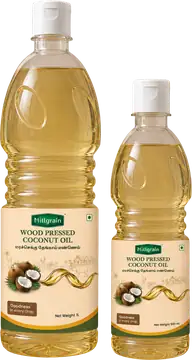
Coconut oil is the exception on the list, since about 82 percent of its fat is saturated. A systematic review found that coconut oil raised HDL cholesterol but also raised LDL cholesterol compared with other plant oils. The question of coconut oil for heart health therefore deserves a balanced answer.
A heart-healthy cooking oil for daily use leans on unsaturated fats, so coconut oil is better kept for specific dishes. It suits tempering and traditional southern recipes, and coconut oil for cooking works best as one oil among several in the kitchen.
Whether Cold Pressed Oil Is Better Than Refined Oil for the Heart
Cold pressing and refining change the way an oil is processed more than they change its fat profile. The debate over cold-pressed vs refined oil centres on the natural compounds that remain. Cold-pressed oils retain more vitamin E and plant antioxidants, while refining removes some of them through heat, bleaching and deodorising.
When choosing a cooking oil for cholesterol management, the fat profile still counts first, and cold pressing involves less processing than refining. Refined oils tolerate higher heat, which suits deep frying, so a heart-healthy cooking oil can be either type when it is matched to the right job.
Choosing a Heart-Healthy Cooking Oil for Each Cooking Method
Heat changes how an oil behaves, so the cooking method matters as much as the oil itself. Tempering and light sautéing use small quantities at moderate heat, which suits gingelly, cold-pressed coconut and extra virgin olive oils.
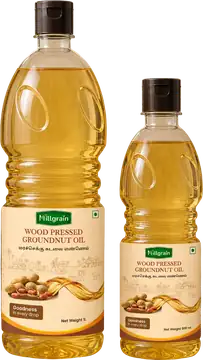
Shallow frying and everyday curries suit wood-pressed groundnut oil, which copes well with steady medium heat, while deep frying calls for a refined oil with a higher smoke point. Heating any oil past its smoke point, the temperature at which it starts to smoke, breaks down its fats and creates unwanted compounds. Lowering the flame as soon as smoke appears prevents this. Used this way, a heart-healthy cooking oil keeps its flavour and its fat profile intact.
Everyday Habits That Support the Oil You Choose
Small habits often matter as much as the oil itself. A few teaspoons of added oil per person each day is a common recommendation, with the exact amount depending on age, activity and the advice of a doctor.
Rotating between two or three oils, such as groundnut, gingelly and a little olive, spreads out the types of fat in the diet. This helps because the best oil for cholesterol patients is usually a sensible mix of oils across the week. Fresh oil for each frying session limits the formation of trans fats, and steaming, roasting and pressure cooking cut down the oil a dish needs. Keeping cold-pressed oils for different uses, such as gingelly for tempering and groundnut for frying, makes rotation simple. Choosing a heart-healthy cooking oil is only half of the routine, and portions and cooking habits make up the rest.
Precautions Before Changing the Oil You Cook With
Oil choice supports a heart-friendly diet alongside medical treatment, so people on cholesterol or blood pressure medication should consult a doctor or dietitian before making large changes. Groundnut and sesame oils can trigger reactions in people with peanut or sesame allergies.
Mustard oil contains erucic acid, so moderate quantities are advisable, and coconut oil is best limited for those with high LDL cholesterol. Total calories from oil also count, since extra body weight adds strain on the heart. A heart-healthy cooking oil used in generous amounts loses much of its advantage.
Making Heart-Friendly Cooking a Daily Habit
Pure Organic foods depend on simple, minimally processed ingredients, and a heart-healthy cooking oil is one of the easiest places to apply the same thinking in a home kitchen. Choosing oils rich in unsaturated fats, matching each oil to the cooking method, using small quantities and rotating between two or three varieties form a routine that most families can follow.
Frequently asked questions
Which is the best oil for heart health and cholesterol?
Oils rich in unsaturated fats, such as groundnut, gingelly, rice bran, and olive oil, are widely suggested for heart health. Rotating two or three of them across the week works better than depending on a single oil.
Can people with high cholesterol use groundnut oil or sesame oil?
Both oils are high in unsaturated fats and can be used in moderate amounts for everyday cooking. People with a peanut or sesame allergy should choose a different oil.
Is coconut oil suitable for heart patients?
Coconut oil is high in saturated fat, which can raise LDL cholesterol, so it is better kept for occasional dishes. A doctor or dietitian can advise on the right amount for each person.
How much cooking oil is suitable for a heart patient in a day?
A few teaspoons of added oil per person each day is a common recommendation. The exact amount depends on age, activity level, and the advice of the treating doctor.
Is it safe to reuse cooking oil for frying?
Oil heated again and again forms trans fats and other unwanted compounds that work against heart health. Fresh oil for each frying session is the better practice.